February 21, 2026 / 4 min read
Treat AI output as a first draft, never a finished product
Reviewing AI output is where the value sits now. Treat every result as a first draft your small team checks and owns before it reaches a customer.
The single most useful thing you can decide about AI is what kind of thing its output is. For a small team, reviewing AI output before it ships is the habit that protects the work. Most people treat it as a finished product: the model returns something, it reads fine, they ship it. The right posture is the opposite. AI output is a first draft. A starting point. Raw material that a person still has to shape, check, and take responsibility for before it goes anywhere that matters.
This is not a knock on the tools. They are genuinely good at producing a strong first draft fast, and that is enormously valuable, because the blank page is where most work stalls. But a strong first draft and a finished product are different things, and the gap between them is exactly where your judgment lives. Skip that gap and you ship the gap’s contents straight to whoever is on the other end.
Where the value actually moves
When the first draft becomes cheap and instant, the work does not disappear. It moves. It shifts off of producing the draft and onto everything after: editing it into something genuinely good, applying judgment about what fits this situation, and verifying that the parts presented as fact are actually true.
That after-work is where the value now lives, and it is the part the tool cannot do for you, because it requires knowing things the model does not. What this specific reader cares about. What is at stake if a detail is wrong. What good actually looks like in your context, which is a standard you hold and the model does not. The person who can take a decent draft and make it genuinely good is more valuable now than before, not less, because the draft stopped being the hard part and the judgment became the whole point.
What it looks like in real work
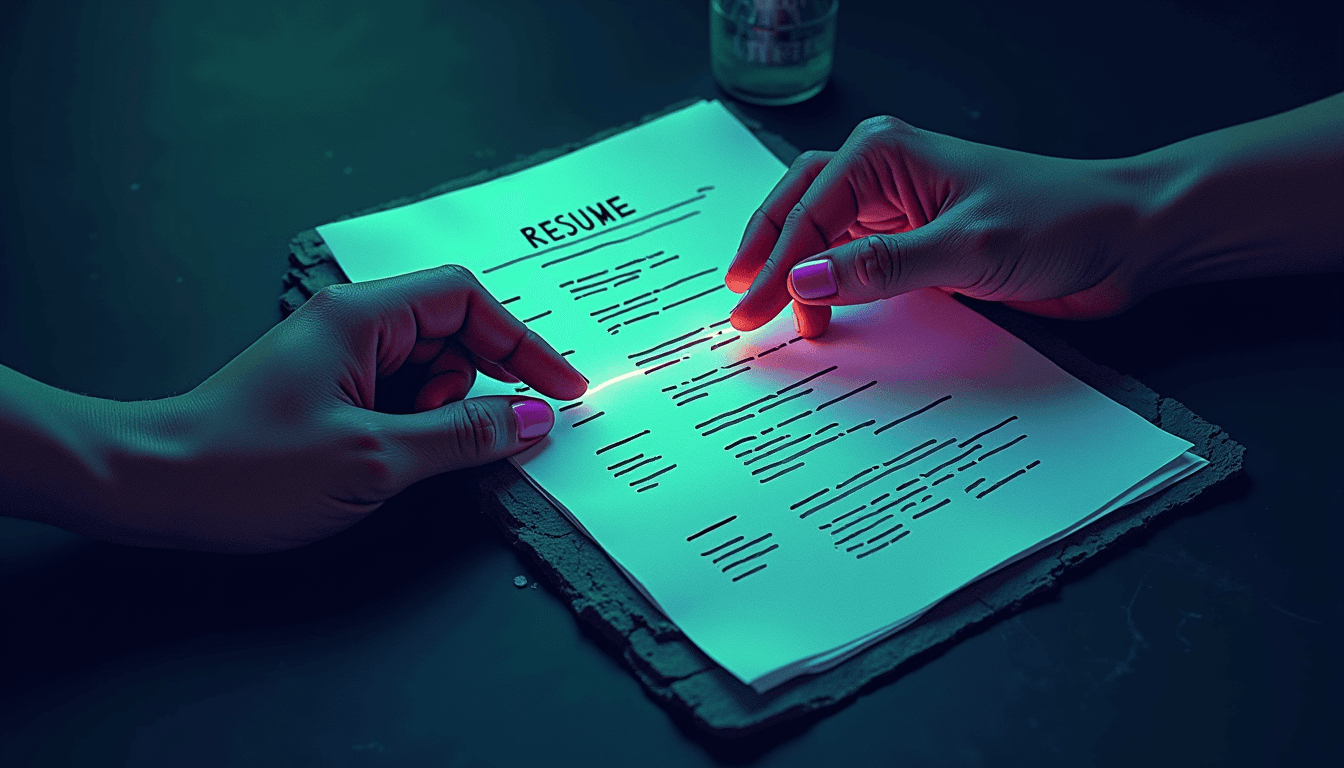
Take a resume. AI gives you a clean, generic version in seconds. Shipped raw, it reads like every other AI resume in the pile, makes claims that do not quite match your actual experience, and sands off the specific thing that would have made you stand out. As a starting point it is great. You cut the generic phrasing, sharpen it to the real job, fix the details only you know, and add the specifics that make it yours. The draft saved you the blank page. Your editing made it work.
Writing is the same. The draft handles structure and gets words on the page. You supply the point of view, the judgment about what to cut, the verification of anything stated as fact. Analysis is the same and the stakes are higher, because a model will produce a confident, well-formatted conclusion built on a number it made up, and it looks exactly as polished as a correct one. Code is the same: the draft compiles and looks plausible, and you still have to read it, test it, and own what happens when it runs. In every case the tool gets you to a fast start and your judgment carries it to done.
What goes wrong when you ship it raw
Shipping raw AI output fails in a specific, predictable way. It is fluent, confident, well-formatted, and wrong in ways that are invisible until someone hits them. The model presents a fabricated fact with the same calm authority as a true one. It writes generic copy that says nothing because it has no idea what your situation actually requires. It produces code that looks right and breaks on a case nobody checked.
The polish is the trap. Because the output reads well, people assume it is correct, and they skip the verification that would have caught the problem. The fix is a habit, not a tool: nothing the model produces ships until a human has read it, judged it, and verified anything load-bearing. Treat every output as a draft handed to you by a fast, fluent assistant who is sometimes confidently wrong and never tells you which times. Your job is not to generate the work. The work generates itself now. Your job is to decide what is actually good, and that is the part worth getting excellent at.